PLAY THERAPY PROGRAMME
What is play therapy?
A form of counselling or psychotherapy in which play is used as a means of helping children or adults to express or communicate their feelings. The individual may not be able to process their own emotions or articulate problems to parents or other adults.
A trained therapist can use playtime to observe and gain insights into a child’s problems. The therapist can then help the child explore emotions and deal with unresolved trauma. Through play, children can learn new coping mechanisms and how to redirect inappropriate behaviours.
Play therapy is practised by a variety of licensed mental health professionals, like psychologists and psychiatrists. It’s also practised by behavioural and occupational therapists, physical therapists, special educators and social workers.
Benefits of play therapy
Some of the potential benefits of play therapy are:
- Taking More Responsibility for Certain Behaviours
- Developing Coping Strategies and Creative Problem-Solving Skills
- Self-Respect
- Empathy and Respect for Others
- Alleviation of Anxiety
- Learning to Fully Experience and Express Feelings
- Stronger Social Skills
- Stronger Family Relationships
- Encourage the Use of Language or Improve Fine and Gross Motor Skills
When is Play Therapy used?
Play therapy may be helpful in a variety of circumstances, such as:
- Facing Medical Procedures, Chronic Illness, or Palliative Care
- Developmental Delay or Learning Disabilities
- Problem Behaviours in School
- Aggressive or Angry Behaviour
- Family Issues, Such as Divorce, Separation, or the Death of a Close Family Member
- Natural Disasters or Traumatic Events
- Domestic Violence, Abuse, or Neglect
- Anxiety, Depression, and Grief
- Eating and Toileting Disorders
- Attention Deficit Hyperactivity Disorder (ADHD)
- Autism Spectrum Disorder (ASD)
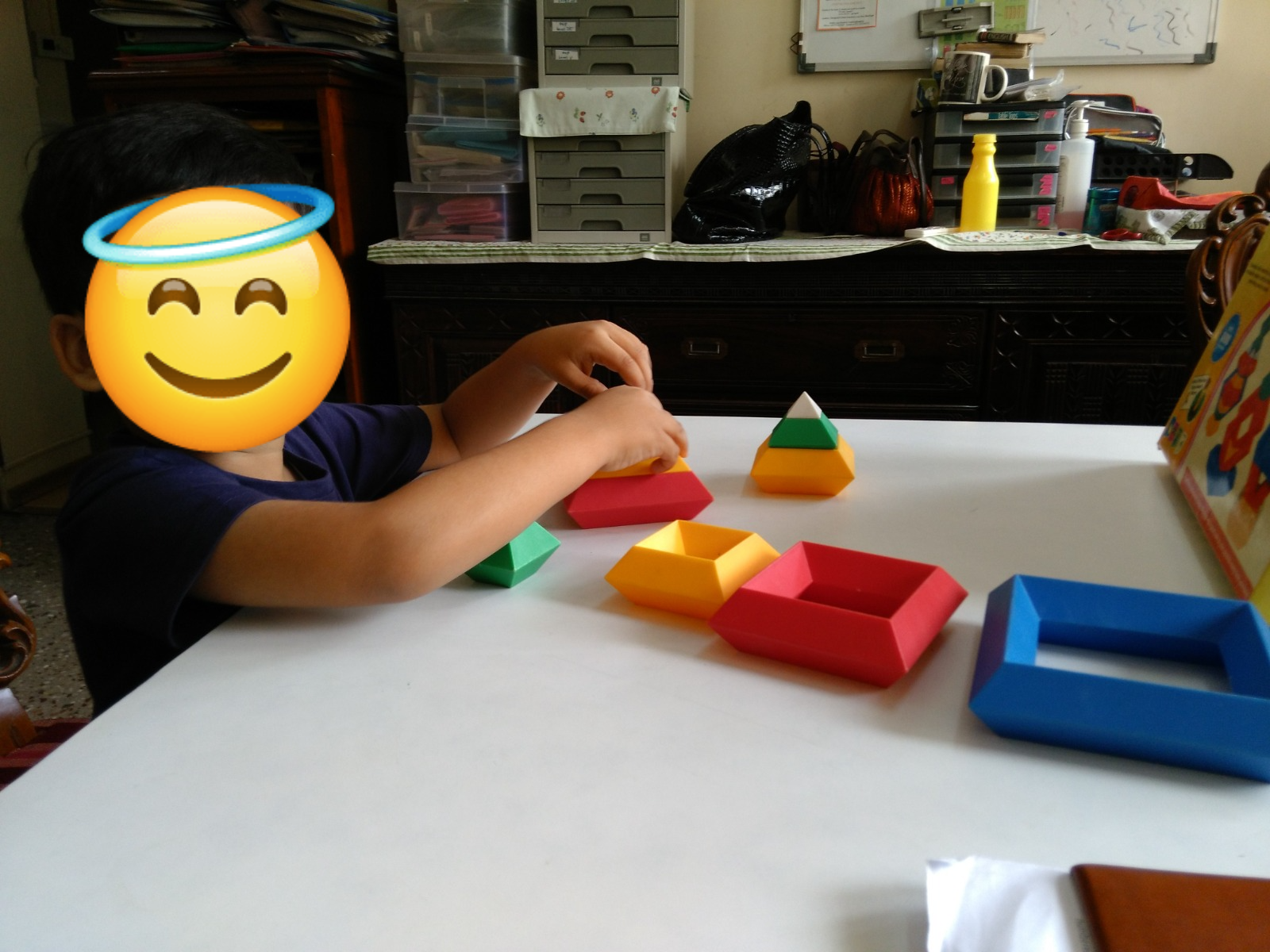
Play Therapy at BVerve: At BVerve, we employ a holistic Play Therapy approach, tailored to each client's unique needs. Our certified therapists create a nurturing environment where children can:
- Express Feelings and Emotions
- Build Self-Esteem and Confidence
- Develop Problem-Solving Skills
- Strengthen Social Skills
- Navigate Challenging Situations
Ready to unlock your child's full potential through Play Therapy? Contact us today to learn more or schedule a consultation.
Art Therapy
Art therapy is a form of psychotherapy that uses creative activities—such as drawing, painting, sculpting, collage, or other visual arts—to help people express emotions, reduce stress, improve self-awareness, and support mental health.
How art therapy works
- You Create Artwork to Express Thoughts and Feelings That May Be Difficult to Put into Words.
- The Focus Is Usually on the Process of Creating, Not Artistic Skill or the Finished Product.
- A Trained Art Therapist May Help You Explore Themes, Emotions, and Meanings That Emerge Through the Artwork.
Benefits
Art therapy may help with:
- Anxiety and Stress
- Depression
- Trauma and PTSD
- Grief and Loss
- Chronic Illness or Pain
- Self-Esteem and Confidence
- Emotional Regulation
- Personal Growth and Self-Discovery
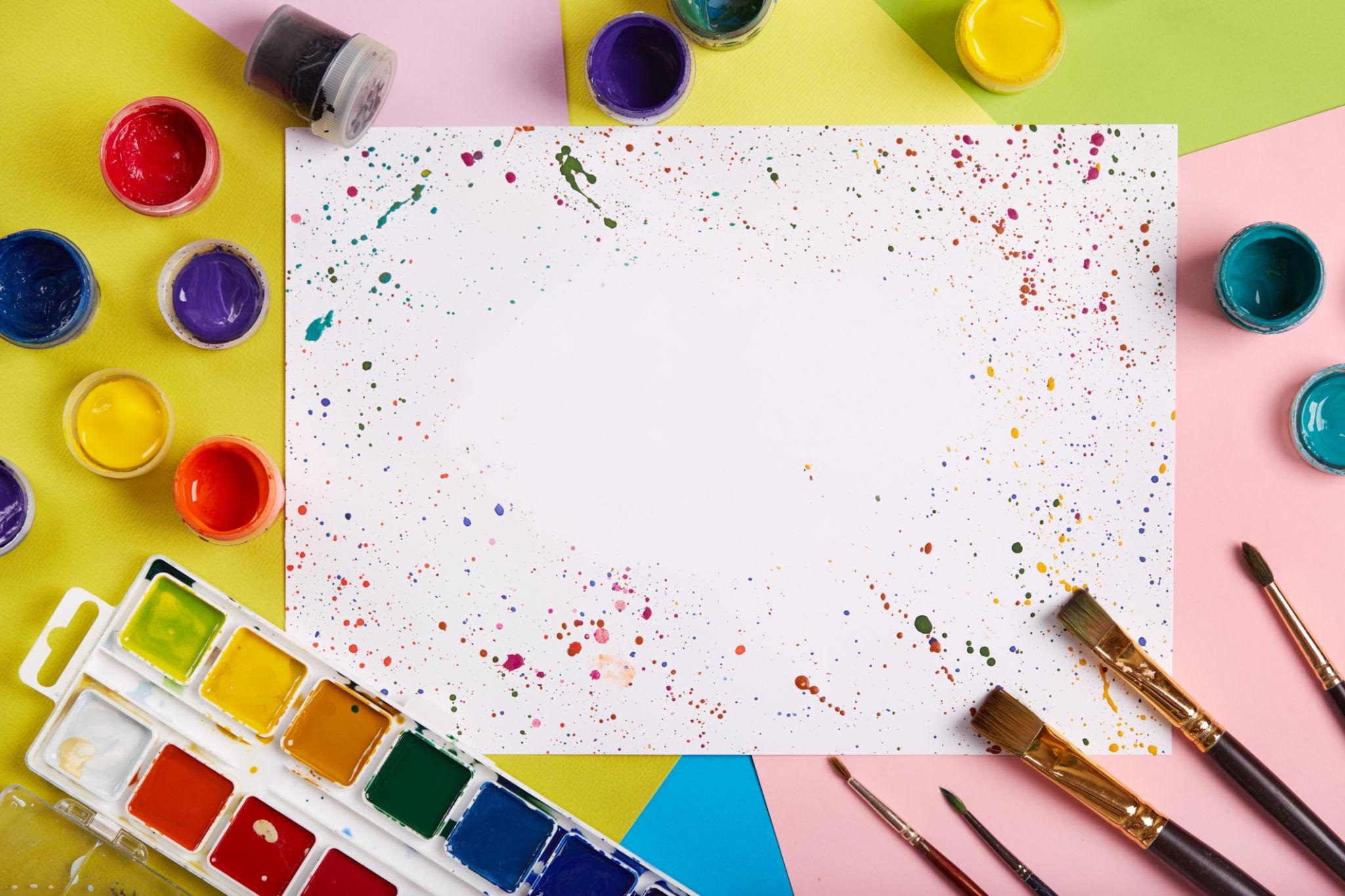
Common art therapy activities
- Drawing Your Current Emotions
- Creating a Collage About Your Goals or Identity
- Painting to Music
- Mandala Coloring
- Clay Modeling
- Visual Journaling
- Mask Making to Explore Different Aspects of Yourself
Simple exercise to try
Emotion Color Map
- Take a Blank Sheet of Paper.
- Choose Colors That Represent How You Feel Today.
- Fill the Page with Shapes, Lines, or Patterns Using Those Colors.
-
When Finished, Reflect:
- Which Colors Dominate?
- What Emotions Do They Represent?
- Did Your Feelings Change While Creating?
You do not need artistic talent to benefit from art therapy—the goal is expression and reflection, not creating "good" art.